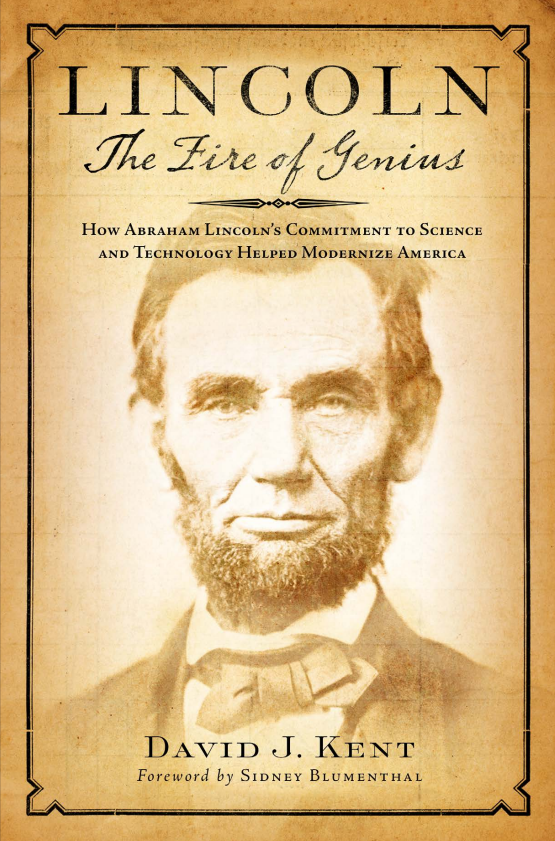
 As I do research on Abraham Lincoln for a forthcoming book I periodically post reviews of some of the more interesting and relevant Lincoln scholarship. Which led me to this great book dating back to 1956 called Lincoln and the Tools of War by Robert V. Bruce.
This is a fascinating book. Bruce has done an excellent job documenting Lincoln’s interest in new weaponry and the trials and tribulations of outfitting the Union troops and navy during the Civil War.
The book uses two main characters as counterweights to that of Abraham Lincoln in the seemingly never ending search for weapons that would help the North defeat the South. As the war came quickly, sufficient weapons were not available to outfit the hundreds of thousands of men who at first volunteered, and then were drafted, to fight. Captain (and later Admiral) Dahlgren ran the Washington Navy Yard and was often eager to test new guns, artillery, and “liquid fire.” At the same time, General Ripley was the foil, acting to slow the testing and implementation of new weapons. He ignored and turned away inventors who had discovered “the next best thing,” even as President Lincoln entertained and even took an active interest in testing and pushing the development of modern weapons to replace the old single shot muskets.
Bruce weaves an entertaining story as he documents what many don’t know, which is that Lincoln facilitated the process of replacing the muzzle-loading gun with breech-loading rifles. The breech-loading allowed speedier reloading with less danger and less jamming, while the rifling allowed greater distance and accuracy in firing. Lincoln helped get such guns as the “coffee mill gun” and other multishot guns that would eventually develop into what we know as “machine guns” into testing, and sometimes service. He entertained and facilitated many inventors in the White House for such things as rockets, steam guns, liquid fire, explosive bullets, and new cannons. There even was a balloon air force, a submarine and, of course, the “iron clad” ships.
I highly recommend the book to anyone interested in Lincoln, the Civil War, or weaponry in general. Unlike many books this old, it was published as a Civil War Book Club edition so readers should be able to find it easily and for a reasonable price in the usual online used book databases.
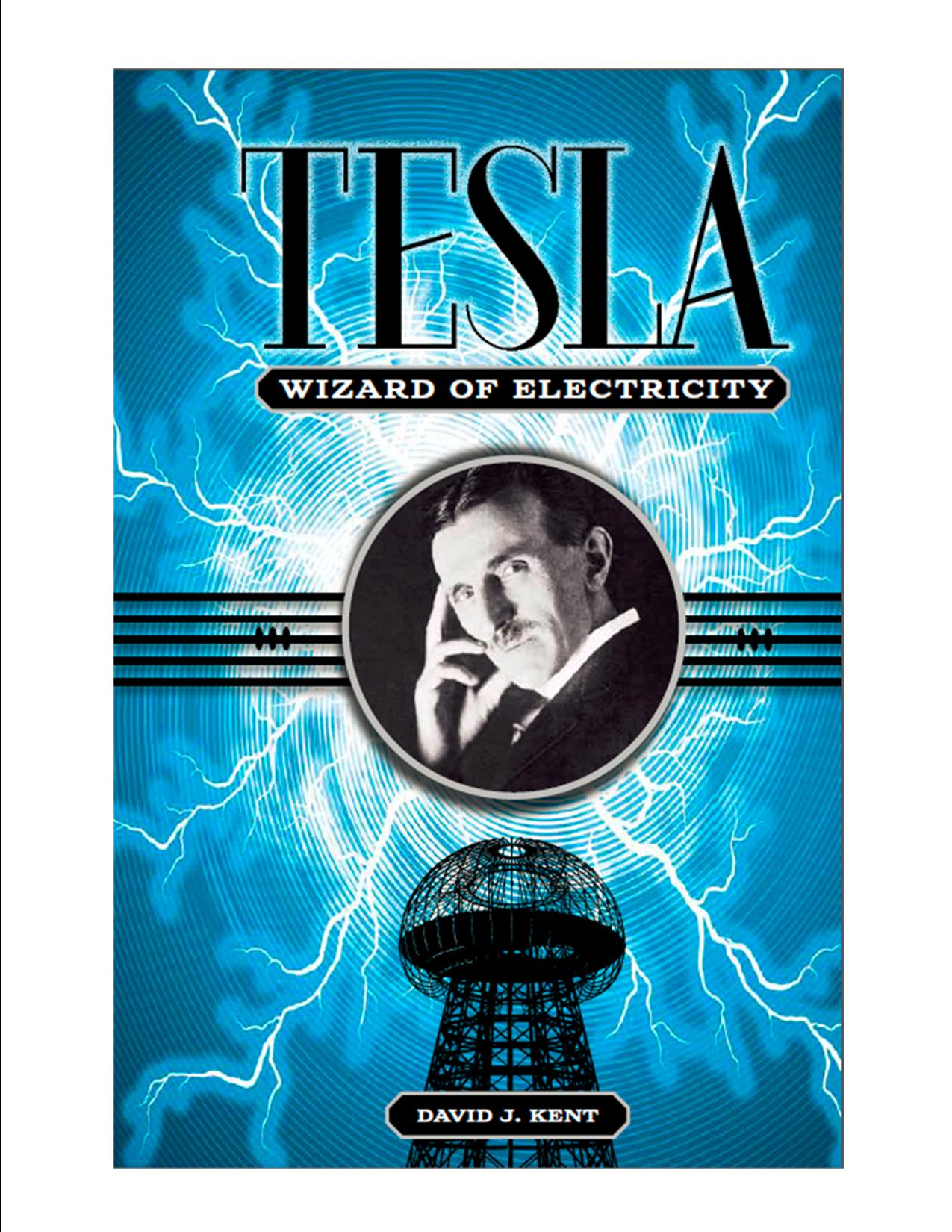
David J. Kent is currently working on a book about Abraham Lincoln’s interest in science and technology. He is also the author of Tesla: The Wizard of Electricity. You can order a signed copy directly from me, download the ebook at barnesandnoble.com, and find hard copies exclusively at Barnes and Noble bookstores.
Follow me by subscribing by email on the home page. And feel free to “Like” my Facebook author’s page and connect on LinkedIn. Share with your friends using the buttons below.
 So 2013 was an incredible year, and 2014 is already looking like it will be even more incredible. Later this month I’ll take a look back on all that has happened this past year. Meanwhile, my event schedule for 2014 is starting to take shape. Here are just a few of the events already on the calendar for the first six to eight months:
 ? – What is this…nothing on my calendar yet for June? I’ll need to do something about that soon.
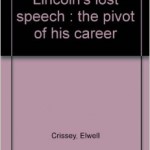 Abraham Lincoln once gave a speech that was so awe-inspiring that all the reporters there forgot to write it down. Sounds implausible, right? Ah, but it’s actually true. Elwell Crissey takes us back to May 29, 1856 with “Lincoln’s Lost Speech: The Pivot of His Career.” And despite the little problem of not having a record of the actual speech, Crissey does a great job enlivening the whole event surrounding its presentation.
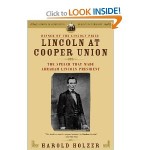 One would think the book’s subtitle “The speech that made Abraham Lincoln President,” would set up an unattainable expectation of greatness. After all, how could a book hold a candle to a great speech? Or perhaps the speech wasn’t so great after all and the author merely wanted to sell more books. And yet, I was wonderfully surprised to see that this really was an exceptional book about an exceptional speech.
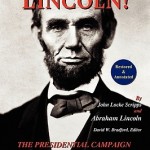 Vote Lincoln! The Presidential Campaign Biography of Abraham Lincoln is a 2010 annotated version of the first full biography of Abraham Lincoln published in 1860. Ostensibly written by John Locke Scripps, publisher of what would become the Chicago Tribune, much of the text was actually ghost written by Abraham Lincoln himself. Intended as a campaign biography, the book provides a revealing look at how Lincoln viewed his own life to that point.
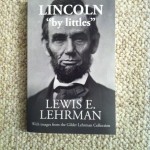 Periodically on this site I provide reviews of books about Abraham Lincoln. This is a review of Lincoln “by littles” by Lewis E. Lehrman, published by The Lehrman Institute in 2013.