 Barack Obama has said that the two people he admires most are Martin Luther King and Abraham Lincoln. Perhaps this shouldn’t be much of a surprise. In Dreams From My Father, Obama recounts his trials growing up as a young black man with mixed race heritage. While clearly a different upbringing than that of most black men living in America, he did experience the prejudices that were openly prevalent then, and more subtle and covert today.
On August 28th, now-President Obama celebrates the 50th anniversary of Martin Luther King’s historic speech on the steps of the Lincoln Memorial. This year also marks the 150th anniversary of Abraham Lincoln issuing the Emancipation Proclamation, the Civil War act decreeing that all slaves in the South “shall be then, thenceforward, and forever free.” As we know from Stephen Spielberg’s movie, Lincoln then worked strenuously to pass the 13th Amendment to the Constitution, abolishing “the peculiar institution” of slavery for good.
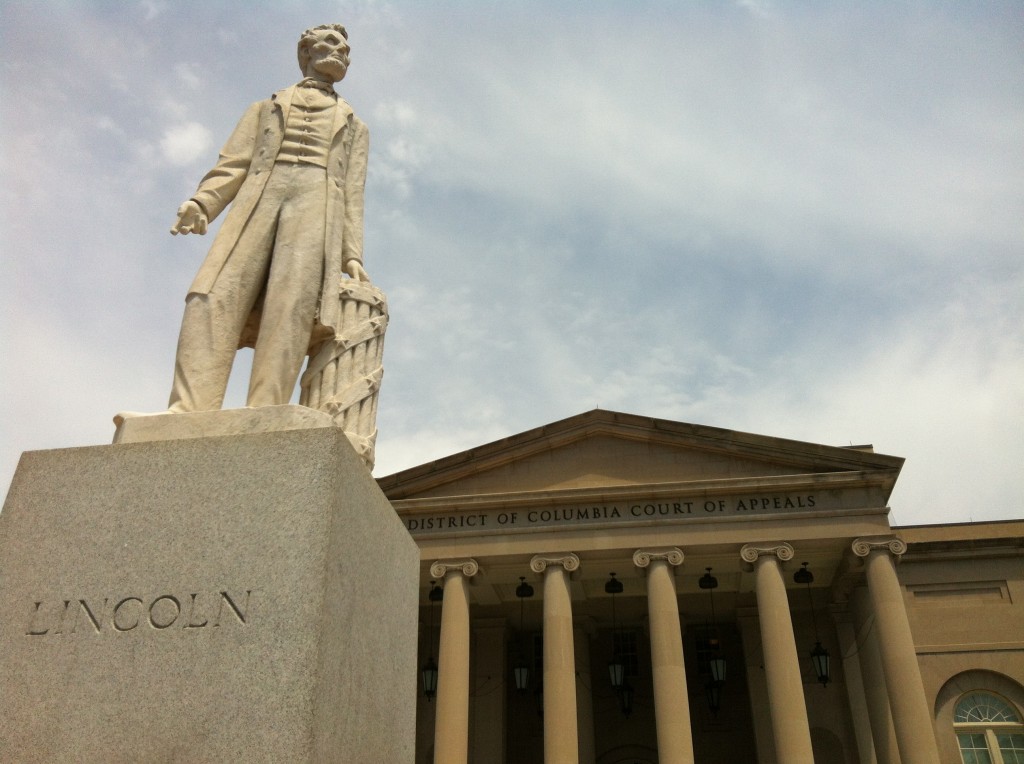
And yet, it would take 100 years and another great leader rallying the public to continue the fight to achieve basic civil rights and equality for African-Americans and other minorities. Martin Luther King led marches and boycotts in Montgomery and Selma, Alabama, in Chicago, and on Wednesday, August 28, 1963, in Washington DC he led the march that culminated in his seminal “I Have a Dream” speech as Abraham Lincoln’s seated figure loomed over his shoulder. King’s words that day a half century ago still resonate today.
Ah, but today we are still faced with continuing challenges to our basic civil and human rights. The recent Supreme Court decision striking down one facet of the 1965 Voting Rights Act was immediately followed by several states passing severely restrictive new voting requirements that disproportionately impact minorities, the poor, and immigrants. The election of Barack Obama seemingly raised back to the surface some long-held but more subtly expressed ignorance. It is clear that 50 years of civil rights and 150 years of freedom have not been sufficient to eliminate long-ingrained bigotries.
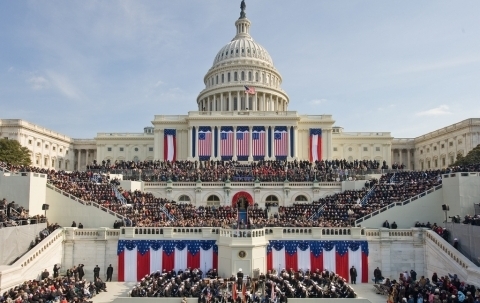
It is within these circumstances that President Obama speaks to tens of thousands once again amassed in the shadow of the Lincoln Memorial. While King spoke mainly from the perspective of African-American discrimination and rights, Obama speaks to the civil rights of all peoples who continue to face inequity in treatment, be that be due to their race, their religion, their gender, or their sexual orientation.
Perhaps Lincoln and King and Obama could agree. What we need is a dream…a dream that our nation can achieve the more perfect union that it has so long pursued…a dream that a nation dedicated to the proposition that all men are created equal shall not perish from the earth…a dream that we work best when we work toward the common goals we all desire – life, liberty, and the pursuit of happiness.
A dream, perhaps. But an achievable one.
This is the most recent of a series of essays exploring the nexus between President Obama, Martin Luther King, and Abraham Lincoln. Three other essays are linked by Obama’s references to King and Lincoln in his second inaugural address. They can be read in order following the links below:
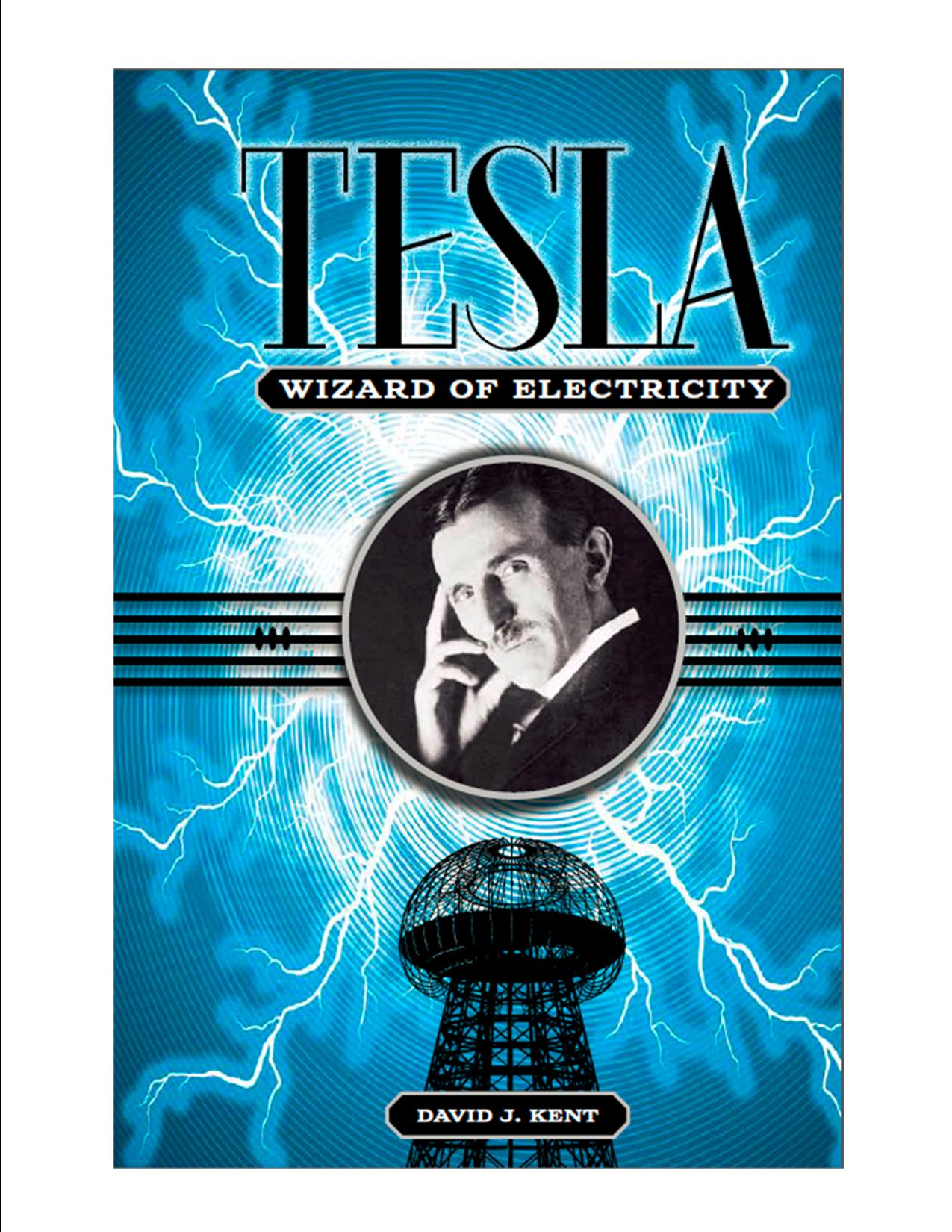
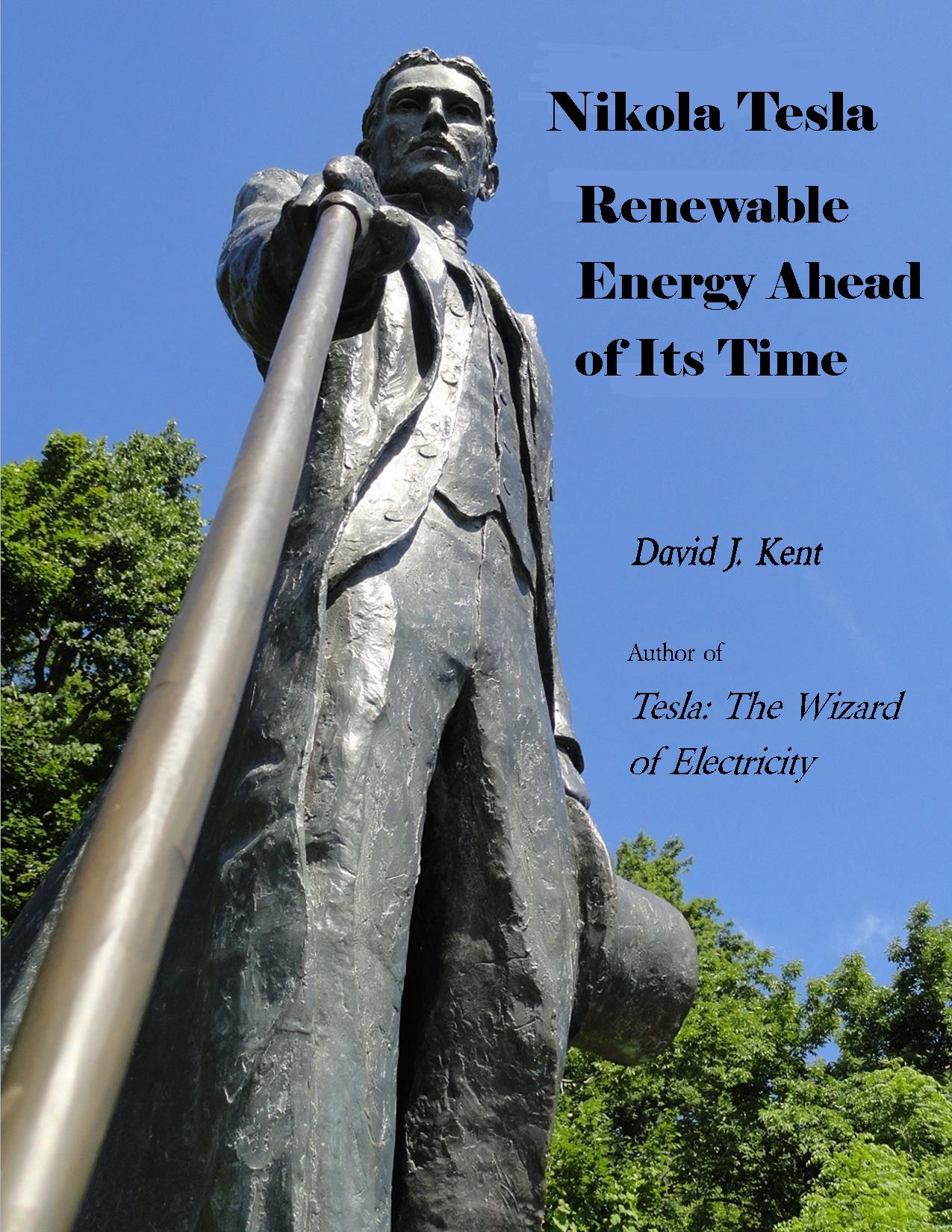
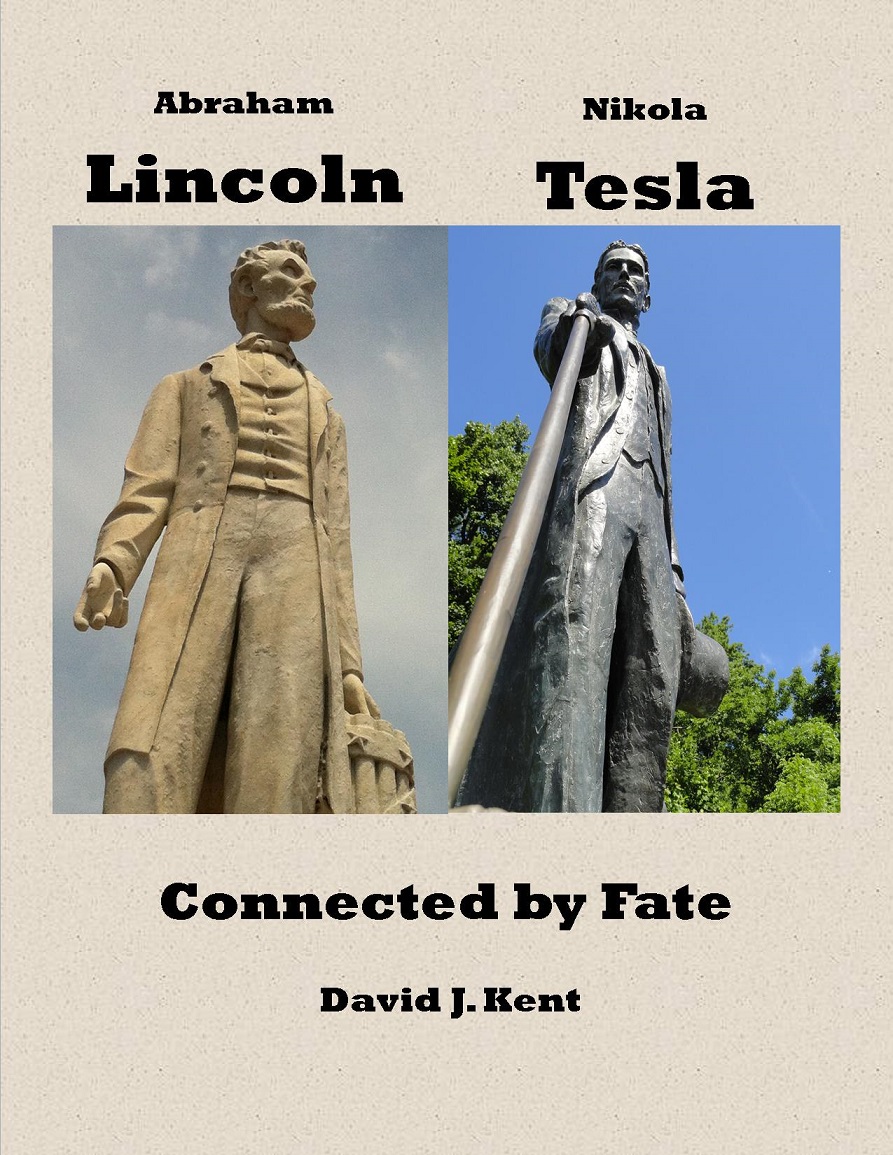
David J. Kent is the author of Lincoln: The Man Who Saved America, in Barnes and Noble stores now. His previous books include Tesla: The Wizard of Electricity and Edison: The Inventor of the Modern World and two e-books: Nikola Tesla: Renewable Energy Ahead of Its Time and Abraham Lincoln and Nikola Tesla: Connected by Fate.
Check out my Goodreads author page. While you’re at it, “Like” my Facebook author page for more updates!
 Abraham Lincoln died today. Well,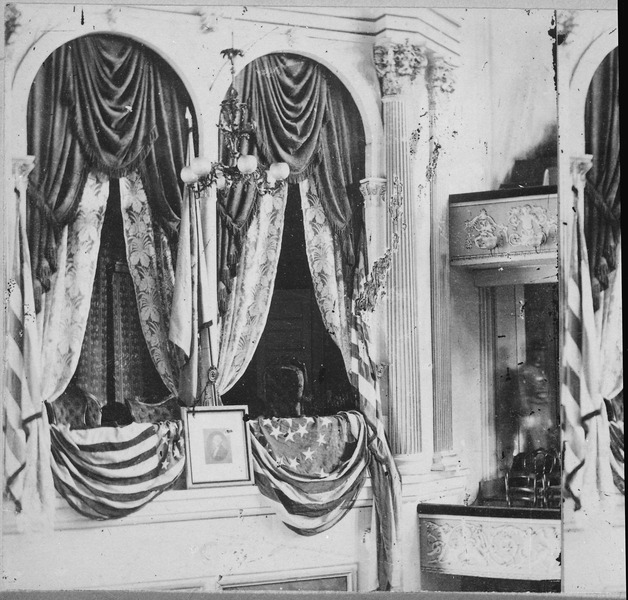

 Each born on February 12, 1809 in very different parts of the world, Abraham Lincoln and Charles Darwin never met. Darwin spent five years traveling the world on The Beagle and eventually defined how we think about life. Lincoln spent four years staying pretty much in Washington DC and eventually came to define how we think of leadership.
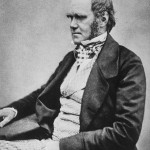 Still, the book toggles between Lincoln’s life and Darwin’s life, comparing the two at key junctures in their maturation as thinkers, family men, and leaders. Because they were the same age many of these life choices occurred at roughly the same period of time. Contosta notes that both put off making decisions as to their life’s work since neither really wanted to follow too closely in the footsteps of their fathers. Lincoln traveled down the Mississippi on a flat boat before settling for some years in New Salem, Illinois. Darwin traveled around the world by ship for five years doing the research that would eventually lead to his most famous works. Once this phase was completed they each “found their calling,” Lincoln in politics and the law, Darwin in development and experimentation on what would eventually be called evolution.
 The book spends some time after the early death of Lincoln and the much later death of Darwin to assess their impact on the world. Clearly the emancipation of the slaves and the subsequent problems with reconstruction led to issues experienced for another century (and continuing). And clearly Darwin’s theory of natural selection challenged the conventional thinking of the day. History has shown that many would “adapt” the work of these two influential men to serve their own purposes (e.g., “social Darwinism,” which Darwin would have been aghast to see).
 Harold Holzer has a birthday.
 Obama did not mention Lincoln by name during his